



What is Cloud PBX Phone System & What Are Its Benefits
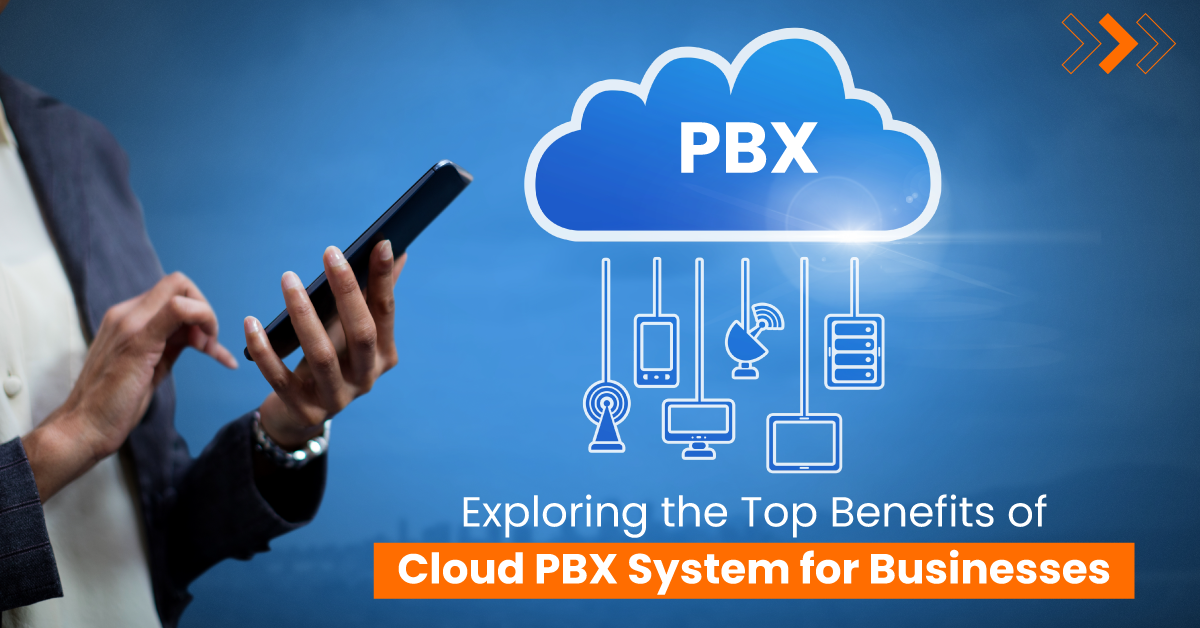

Table of Contents
A cloud PBX phone system gives businesses a more flexible way to handle calls, routing, voicemail, extensions, and team communication without relying on office-based PBX hardware. For companies managing customer calls across offices, remote teams, sales staff, and support teams, the shift improves more than phone setup. It improves responsiveness, visibility, and day-to-day control. Vitel Global helps businesses move to cloud calling that feels easier to run and better suited to how teams actually work now.
Older PBX systems were built for one office, one equipment setup, and slower change. That model becomes harder to manage once users work across cities, home offices, mobile devices, and multiple departments. A cloud-based PBX phone system removes much of that rigidity and gives businesses a cleaner way to stay reachable, route calls, and grow without rebuilding the phone environment each time something changes.
What Is a Cloud PBX?
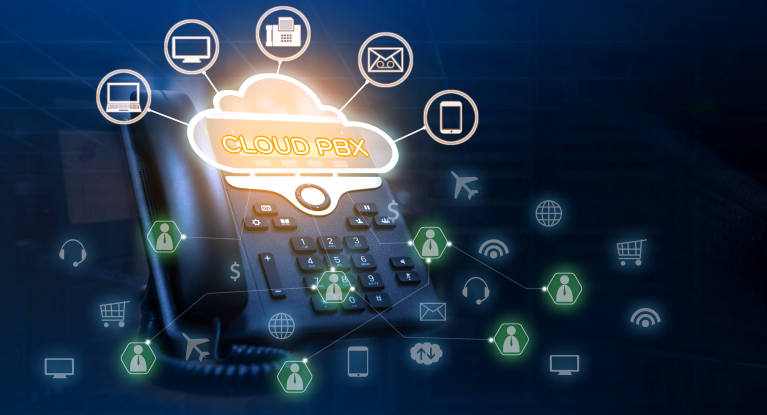
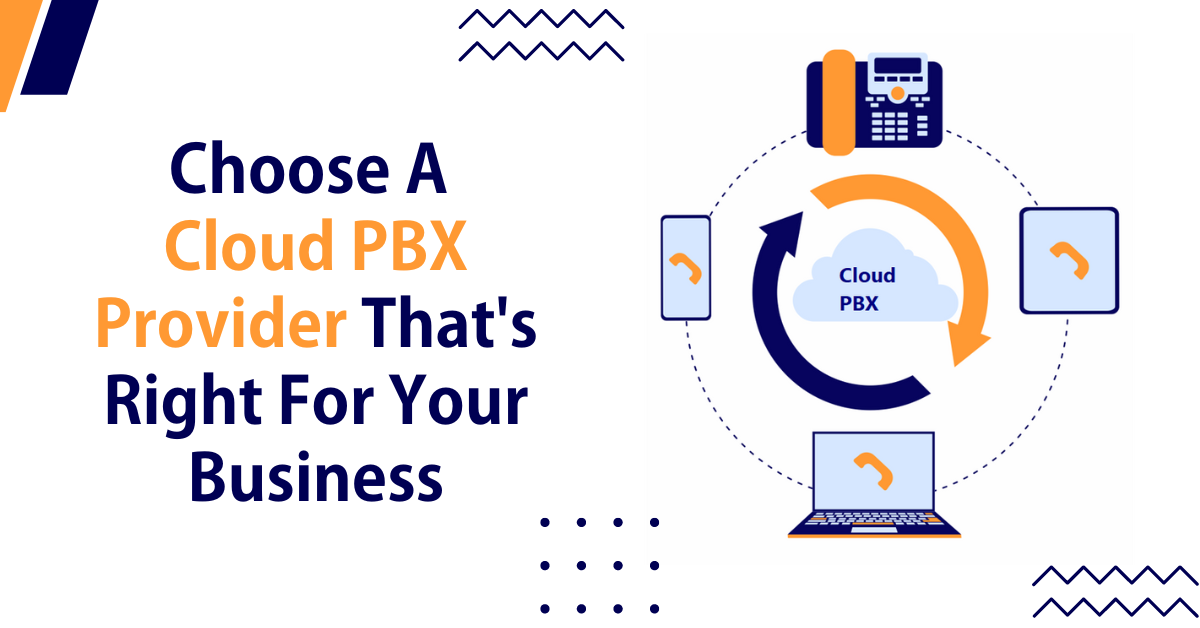
A cloud PBX is a private branch exchange that runs through hosted internet infrastructure instead of physical switching hardware installed inside your office. It uses VoIP to route voice calls through the web, while the provider manages the back-end system, upgrades, and technical maintenance.
In simpler terms, it gives you the calling structure of a business phone platform without requiring your team to maintain an old PBX box in the office.
A cloud PBX system can support:
- business calling across desktop phones, laptops, and mobile apps
- extension management
- voicemail and voicemail to email
- auto attendants
- call forwarding and routing
- team coverage across locations
- analytics and reporting
- CRM and workflow integrations
That is why businesses looking at a hosted PBX phone system are usually not only trying to replace old hardware. They are trying to create a cleaner communication setup that works wherever their team happens to be.
Replace Aging PBX Hardware With Smarter Cloud Calling
Move to a cloud PBX phone system built for cleaner routing, easier scaling, and better call control.
How Does a Cloud PBX Phone System Work?
A cloud-based PBX system works by sending voice traffic over the internet rather than through traditional copper lines. When someone places a call, the voice data moves through an IP network to the provider’s hosted infrastructure, where the system processes, routes, and delivers the call to the right destination.
That destination could be:
- a desk phone in the main office
- a mobile device used by a sales rep
- a support agent working from home
- a shared team inbox or call queue
- voicemail if the routing rules send it there
This gives the business more control without more physical complexity.
A cloud-based PBX phone system usually lets administrators manage users, extensions, call paths, greetings, and permissions through a web dashboard. So instead of calling a telecom technician every time the system needs an update, your team can make changes in minutes.
Cloud PBX vs Traditional PBX
| Category | Cloud PBX | Traditional PBX |
| Infrastructure | Hosted by the provider through an internet-based platform | Installed on-site with physical PBX hardware |
| Setup Speed | Faster, usually software-led | Slower, usually hardware and technician-led |
| Upfront Cost | Lower in most cases | Higher due to equipment and installation |
| Maintenance | Provider-managed | Business-managed or vendor-managed on-site |
| Scalability | Add users and extensions quickly | Expansion usually needs hardware changes |
| Remote Work Support | Strong across mobile and desktop devices | Limited and more office-dependent |
| Multi-Location Support | Easier to manage from one system | Often more complex and expensive |
| Call Routing | Managed through online admin controls | Often tied to system complexity and vendor support |
| Mobility | High | Low |
| Best Fit | Growing, hybrid, multi-location businesses | Fixed-location businesses with legacy needs |
Why Businesses Are Moving Away From Legacy PBX Systems
The issue with older phone infrastructure is not that it never worked. The issue is that it no longer fits how businesses operate.
An office-bound phone setup feels restrictive when:
- Teams work across cities or states
- Managers need visibility into call handling
- Sales calls happen outside the office
- Support teams need shared coverage
- growth requires a fast setup for new users
A cloud-based PBX for small businesses can remove many of those bottlenecks without requiring enterprise-sized infrastructure. That matters for lean teams that still need a professional front end.
It also matters for larger businesses that want more control across departments and locations without rebuilding the telecom stack every time something changes.
Benefits of Communication Cloud PBX for Business
1. Lower Upfront Cost and Less Hardware Pressure
One of the first things businesses notice is the financial difference. A traditional PBX often comes with equipment costs, installation work, service labor, and long-term maintenance. A cloud PBX phone system cost model usually shifts more of that into a predictable monthly structure.
That can reduce strain in a few ways:
- Fewer hardware purchases
- Less dependence on on-site telecom equipment
- No major server room investment for phone management
- Reduced need for specialist maintenance visits
For companies watching budgets closely, this makes cloud-based PBX solutions more practical than older systems that require bigger upfront spending before the first call is even placed.
2. Better Support for Remote and Mobile Work
A strong cloud-based PBX setup lets employees answer business calls from wherever they are while still keeping the company identity consistent. That means the business number can stay the same whether the call is answered from headquarters, a home office, a laptop, or a mobile phone.
This helps teams:
- Stay reachable while traveling
- Support customers outside one central office
- Avoid using personal numbers for work
- Keep business communication more organized
- Maintain one brand identity across devices
For many businesses, this is where the system starts to feel less like a phone line and more like a communication layer that follows the team.
3. Faster Scaling as the Business Changes
Growth does not always happen in a neat, planned way. Sometimes a team adds five users in one month. Sometimes a new department launches. Sometimes a second location opens and needs business calling right away.
A cloud PBX provider makes those changes easier to manage because the business is not waiting on physical line expansion or office rewiring. Users, extensions, and routing rules can usually be added through software.
This matters for:
- Startups hiring quickly
- Service businesses expanding regionally
- Support teams handling seasonal demand
- Growing firms opening new locations
For companies comparing cloud PBX solutions, this flexibility is often one of the strongest reasons to move.
4. More Reliable Coverage During Disruptions
A well-built cloud-based PBX solution environment can improve continuity because it does not depend on one office box staying healthy at all times. Calls can be redirected, rerouted, or handled across multiple devices when needed.
That creates a stronger cushion during:
- Office internet issues
- local power problems
- temporary office closures
- device changes
- high call periods that require overflow handling
Businesses that take inbound communication seriously need that kind of operational steadiness. Missing calls during a disruption is not only annoying. It can directly affect customer trust and revenue.
5. Cleaner Call Quality With the Right Setup
Call quality still shapes how professional a business sounds. A modern cloud PBX service provider’s environment can deliver clear voice performance when the internet connection and network setup are strong.
Businesses often see improvement through:
- Better voice transmission over modern internet infrastructure
- Cleaner routing logic
- Less dependence on aging copper line quality
- Support across devices built for internet-based calling
A strong provider also helps reduce issues tied to unstable routing and poor call handling design. Good voice quality is still basic, but it matters. Customers notice it immediately.
6. Easier Day-to-Day Administration
With older systems, even a small phone change could turn into an IT task. A cloud PBX for small business setup gives administrators more direct control through a management portal.
That usually makes it easier to:
- add or remove users
- create extensions
- update greetings
- adjust call flows
- manage voicemail settings
- assign departments or routing rules
This helps the business move faster without making every communication update feel like a project.
7. Stronger Features Without Enterprise Friction
Many businesses start looking at the best cloud PBX providers after they realize the feature gap between a basic phone line and a full business calling environment.
A modern hosted PBX phone system can include tools such as:
- auto attendant menus for incoming calls
- call forwarding across users and devices
- voicemail to email for faster review
- call recording for service review and training
- reporting for managers and supervisors
- business texting support
- CRM connection for sales and support visibility
These are not fringe extras anymore. They shape how quickly a business responds, how clearly calls are handled, and how well the team can work across departments.
8. Better Fit for Customer-Facing Teams
Sales teams, support teams, and front desk operations rely heavily on speed, reachability, and cleaner handoffs. A cloud PBX for business helps those teams operate with less friction because they are no longer tied to one desk or one location.
That improves daily work in practical ways:
- Sales reps can call from mobile devices while still showing the company number
- Support teams can share coverage across multiple users
- Managers can review call logs without piecing together separate records
- New staff can be added to the call path faster
For businesses handling leads, service issues, appointment calls, or recurring customer contact, operational control matters.
9. Useful for Small Businesses and Growing Teams
Many owners assume a cloud-based PBX for a small business is more advanced than what they need. In reality, smaller companies are often the ones that benefit fastest because their current setup is usually the most fragile.
A founder using a personal number, a front desk managing calls manually, or a small service team sharing one line can all run into the same problems:
- Missed calls
- Poor call distribution
- After-hours interruptions
- Weak visibility across the team
- No clean way to add new users
A cloud PBX for small businesses gives those teams a more stable structure without forcing them into a heavy enterprise setup.
10. Supports Long Term Business Changes Better
Phone infrastructure should not need to be replaced every time the business changes shape. A cloud PBX model is easier to adapt because it is built around software and hosted management instead of rigid office hardware.
That gives businesses more room to:
- open a second office
- Add remote users
- reassign departments
- build after-hours call paths
- support temporary staffing spikes
- Keep one communication identity across locations
This is where cloud-based PBX solutions become a stronger long-term investment. The business gets more room to evolve without rebuilding the core communication structure again and again.
Cloud PBX Cost: What Businesses Should Expect
The exact cloud PBX cost depends on the provider, feature level, user count, and whether the business wants local numbers, toll-free service, integrations, or advanced call handling.
Most pricing models are shaped by:
- number of users
- calling features included
- mobile and desktop access
- business texting support
- reporting depth
- CRM or platform integrations
- onboarding or porting needs
The key comparison is not only the monthly price. It is what the business receives in exchange for that cost.
A lower-priced plan that lacks routing, shared coverage, mobile usability, or admin control may end up costing more later through missed calls and poor team coordination. A stronger cloud PBX phone system cost model should help the business operate more cleanly from the start.
Features Businesses Should Expect From a Cloud PBX Phone System
A modern cloud PBX system should do more than place and receive calls. For most businesses, the most useful capabilities include:
- auto attendants for cleaner inbound call direction
- extension management across teams
- call forwarding across devices
- voicemail to email
- business texting support
- call recording
- reporting and analytics
- number porting
- CRM integration
- mobile and desktop access
These are usually the features that separate a basic hosted line from a phone system that can support real business operations.
Signs Your Business Has Outgrown Its Current PBX
Your current setup is probably due for replacement if:
- Adding a new user still feels like a telecom project
- Remote staff cannot answer calls under the business identity cleanly
- Calls are being missed during busy periods
- The system depends too heavily on one office location
- Routing changes require outside technical support
- Reporting is weak or unavailable
- The business is opening locations or adding departments soon
When those issues start affecting response time or customer experience, the question is no longer whether the PBX still works. It is whether it still works well enough for where the business is headed.
What to Look for in the Best Cloud PBX Provider for Small Businesses
When businesses compare the best cloud PBX provider for small businesses options, the strongest choice is rarely the one with the longest feature list alone. It is the provider that can connect those features to daily business use.
Look for a Provider That Can Support:
- clean call routing
- stable voice quality
- mobile and desktop calling
- fast user changes
- voicemail and call records
- integration with business tools
- number porting if needed
- support for remote and in-office teams
If a provider makes setup look polished, but everyday call handling still feels clumsy, the system will create friction. The right cloud PBX provider should make the business easier to run, not just easier to demo.
Why Businesses Use Vitel Global for Cloud PBX
Vitel Global helps businesses move from rigid phone infrastructure to a cloud PBX phone system built for daily business use. Teams can support local and toll-free calling, route calls by department, manage extensions, handle voicemail more cleanly, and stay connected across desktop and mobile devices without depending on office-bound hardware.
This works well for businesses that need:
- Better call handling across teams
- Simpler support for remote and hybrid users
- Easier user and extension changes
- Cleaner customer-facing communication
- A more practical replacement for aging PBX setups
Instead of treating cloud calling like a standalone utility, Vitel Global helps businesses turn it into a more usable communication system.
How to Decide if Cloud PBX Is Right for Your Business
A cloud PBX system is often the right move when any of the following is true:
- Your current PBX feels hard to maintain
- Your team works across multiple locations
- You need better control over call routing
- Users need to answer from mobile devices
- The business expects to grow in users or departments
- Customer calls need cleaner handling and tracking
If the phone system feels slow to adapt, costly to maintain, or too fixed for how the business now operates, then cloud-based calling is usually worth serious consideration.
Cloud PBX vs Hosted PBX vs VoIP
These terms are often used together, but they are not identical.
VoIP
VoIP is the technology that moves voice traffic over the Internet.
Hosted PBX
A hosted PBX phone system is a PBX platform managed by a provider rather than installed inside your office.
Cloud PBX
A cloud PBX uses hosted internet infrastructure and business phone logic together to create a more complete communication environment with routing, extensions, voicemail, and admin control.
For most buyers, the practical question is simpler. They want a business phone setup that is easier to use, easier to grow, and less tied to office hardware. That is where cloud PBX becomes attractive.
Is Cloud PBX a Better Fit Than Traditional Systems for Small Businesses?
For many smaller teams, yes. A cloud-based PBX for small businesses often makes more sense than buying or maintaining older PBX hardware because it gives the company a stronger communication setup without the same telecom burden.
It is especially useful when the business needs:
- mobility
- lower hardware dependence
- more flexible growth
- cleaner inbound call handling
- business identity across devices
That is why companies looking for the best cloud-based PBX phone system often start with one basic question: how can we make business calling feel more organized without making it more complicated?
Final Take
A cloud PBX phone system is no longer a niche upgrade for large companies. It has become a practical communication model for businesses that need flexibility, cleaner call handling, lower hardware pressure, and better support for how teams work now.
It gives businesses a clearer path to:
- manage calls across devices
- support remote and office staff together
- scale users faster
- improve customer call flows
- reduce telecom friction
For teams still tied to office-bound hardware or limited phone setups, moving to cloud-based PBX communication can create a more usable and more adaptable system without forcing the business into unnecessary complexity.
Move From Legacy PBX to Smarter Business Calling
Get a cloud PBX phone system that gives your team cleaner routing, easier scaling, and better call control without office-bound hardware.
Frequently Asked Questions
1. What is a cloud PBX phone system?
A cloud PBX phone system is a business calling platform that operates through hosted internet infrastructure instead of office-based PBX hardware. It helps businesses manage calls, routing, voicemail, extensions, and user access through the cloud.
2. Is cloud PBX good for small businesses?
Yes. A cloud PBX for small businesses can give smaller teams a professional phone setup without the cost and upkeep of traditional PBX equipment. It is especially useful for companies that need flexible calling, remote access, and simpler user management.
3. What is the difference between cloud PBX and VoIP?
VoIP is the internet-based technology used to carry voice traffic. A cloud PBX system uses that technology inside a broader business phone setup that includes routing, voicemail, extensions, and administrative controls.
4. Can I keep my existing business phone number with a cloud PBX provider?
In many cases, yes. Most cloud PBX service providers support number porting, which allows a business to move its current number into the new system without changing the public contact line.
5. How much does cloud PBX cost?
Cloud PBX cost depends on the provider, features, user count, and business requirements. Pricing usually follows a monthly per-user structure, with added cost variation based on integrations, call handling tools, and number types.
Published: August 4th, 2022
Subscribe to Our Latest Updates
Get monthly product and feature updates, the latest industry news, and more!